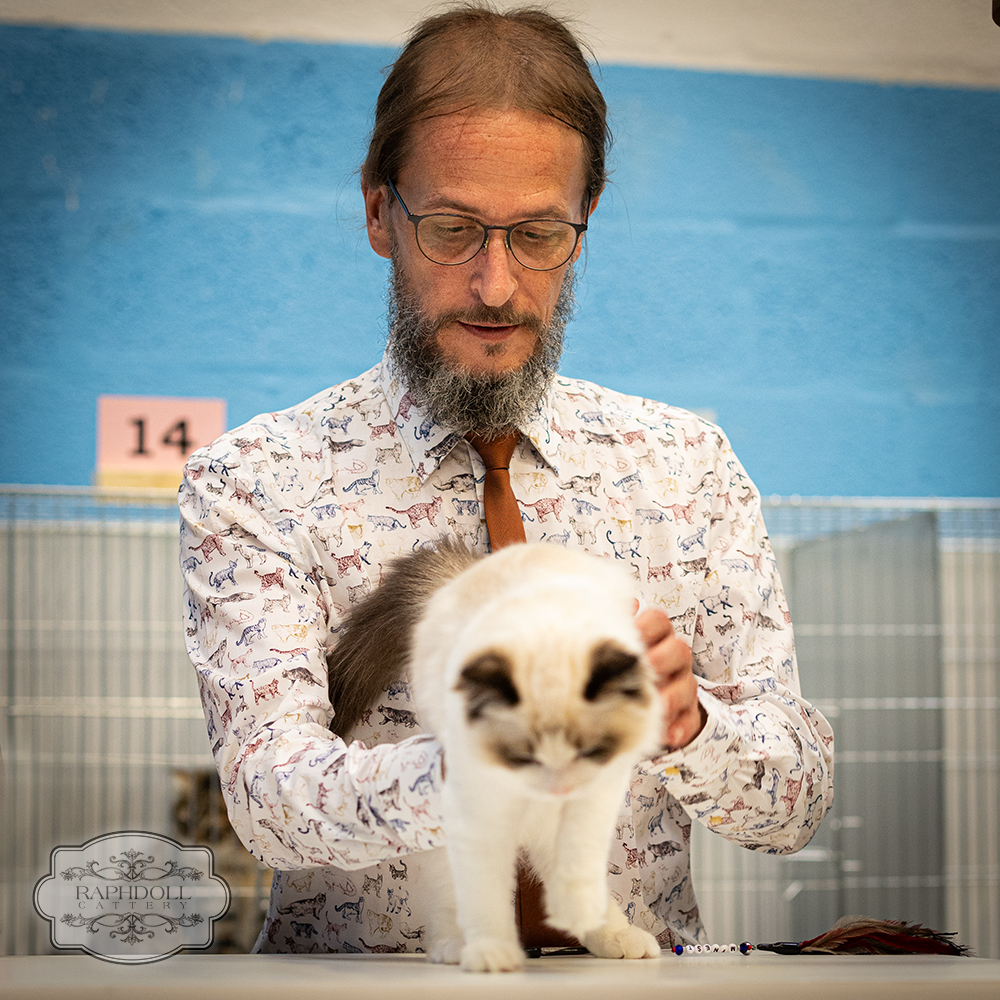
Ragdoll Cat Champions
This article explores the essential characteristics of Ragdoll cats—including patterns, colours, body structure, and temperament—along with what is required to achieve Champion status in TICA shows.
Ragdoll Cat Champions: Patterns, Colours, Body Type and TICA Show Requirements
The Ragdoll is one of the most popular and recognizable pedigree cat breeds in the world, admired for its striking blue eyes, silky coat, and calm temperament. For breeders and exhibitors, achieving a Champion title under The International Cat Association (TICA) is an important milestone that reflects adherence to the breed standard and excellence in presentation.
1. The Ideal Ragdoll: General Overview
The Ragdoll is a large, semi-longhaired cat with a strong, muscular body and a soft, plush coat. Despite their size, they are known for their gentle, relaxed nature—often going limp when held, which inspired the breed’s name.
To succeed in TICA competitions, a Ragdoll must closely match the official breed standard in all aspects.
2. Body Type and Structure
Size and Build
Key Physical Features
Coat
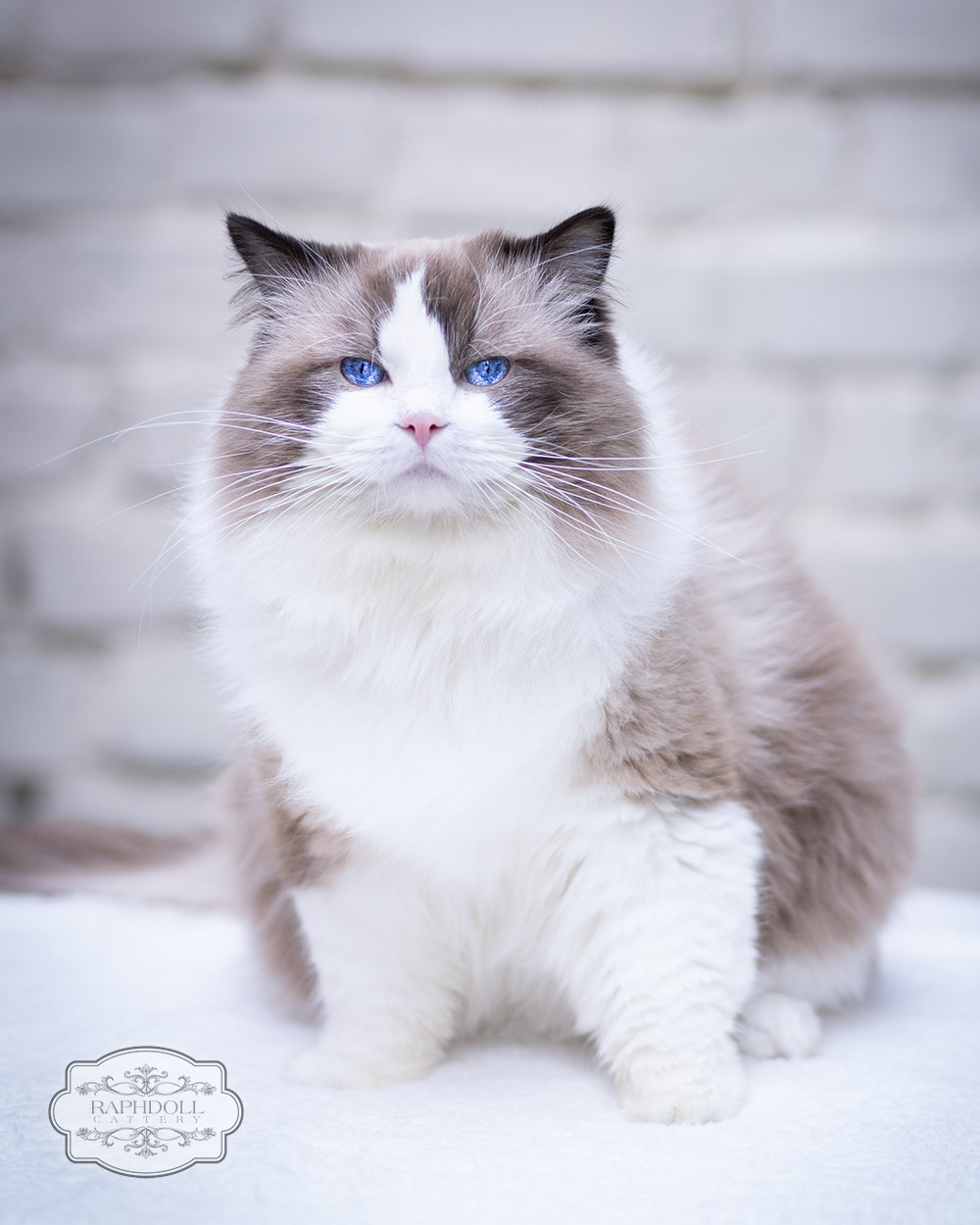
3. Ragdoll Patterns
TICA recognizes several distinct patterns, all of which must be clearly defined and symmetrical for show quality.
1. Colourpoint
2. Mitted
3. Bicolour (Traditional)
4. Van (less common in some lines)
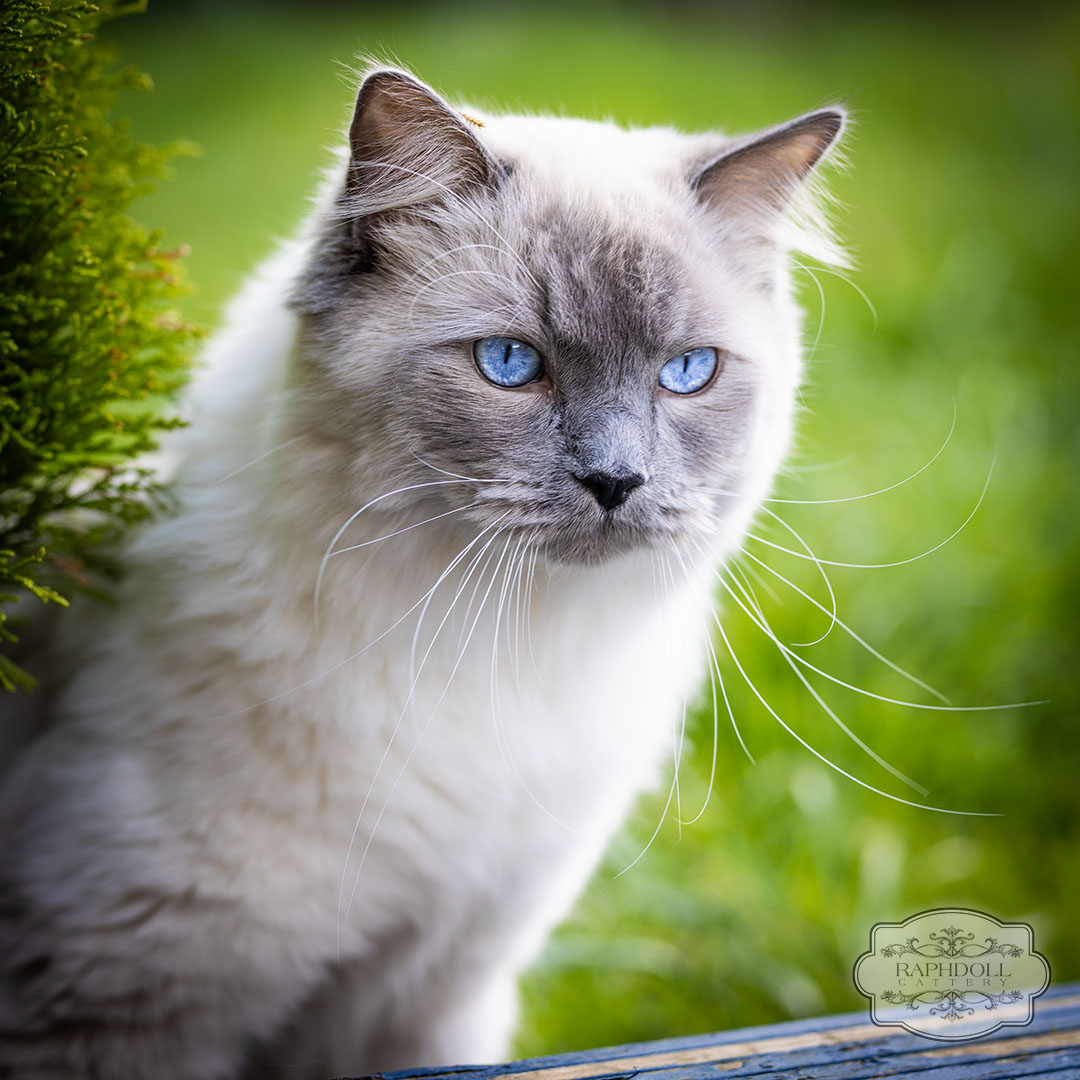
4. Ragdoll Colours
All Ragdolls are pointed cats, meaning their colour develops in cooler areas of the body. Common colours include:
Lynx (tabby) overlays are also accepted, adding striping to the points.
Important Note:
Eye colour must always be blue—this is a strict requirement in TICA judging.
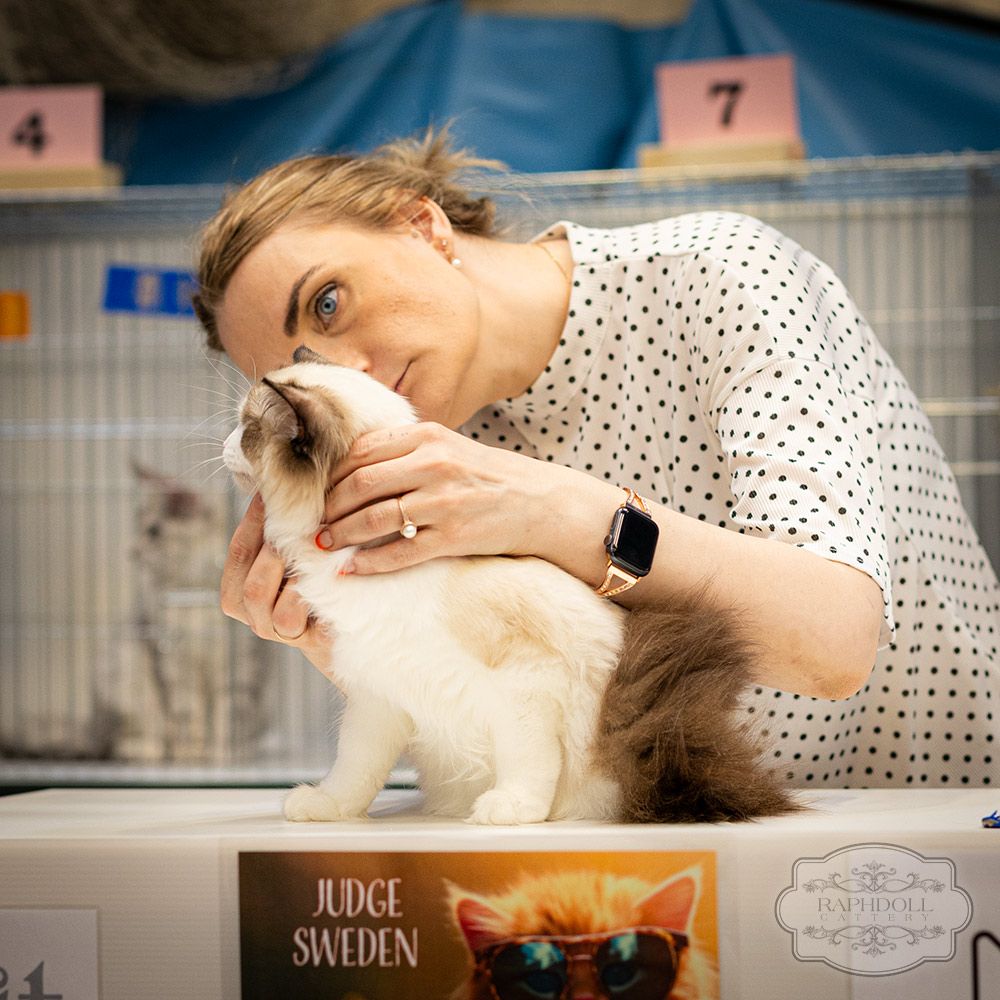
5. Temperament and Behaviour
Although temperament is not judged as strictly as physical traits, it still plays a role in presentation.
Ideal Ragdoll temperament:
A well-socialized Ragdoll performs better in the show ring.
6. TICA Championship Requirements
To achieve the Champion title in TICA, a Ragdoll must compete in the Championship class and meet specific criteria.
Basic Requirements:
Cats are evaluated based on:
Each judge scores independently, and points accumulate across shows.
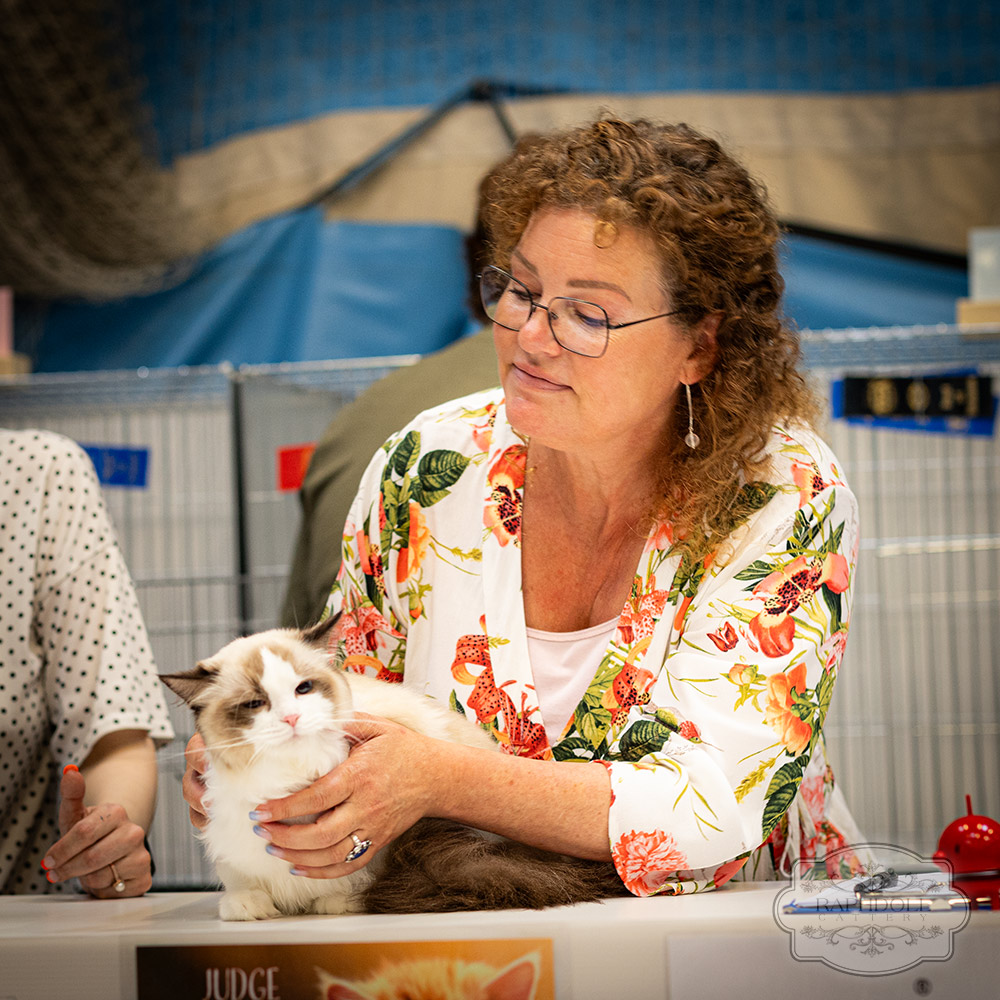
7. Faults and Disqualifications
A Ragdoll may be penalized or disqualified for deviations from the standard.
Common Faults:
Disqualifications:
8. Grooming and Show Preparation
To compete successfully, grooming is essential:
Presentation can significantly influence judging outcomes.
9. Breeding for Championship Quality
Producing Champion-level Ragdolls requires:
Responsible breeding improves not only show success but also the overall quality of the breed.